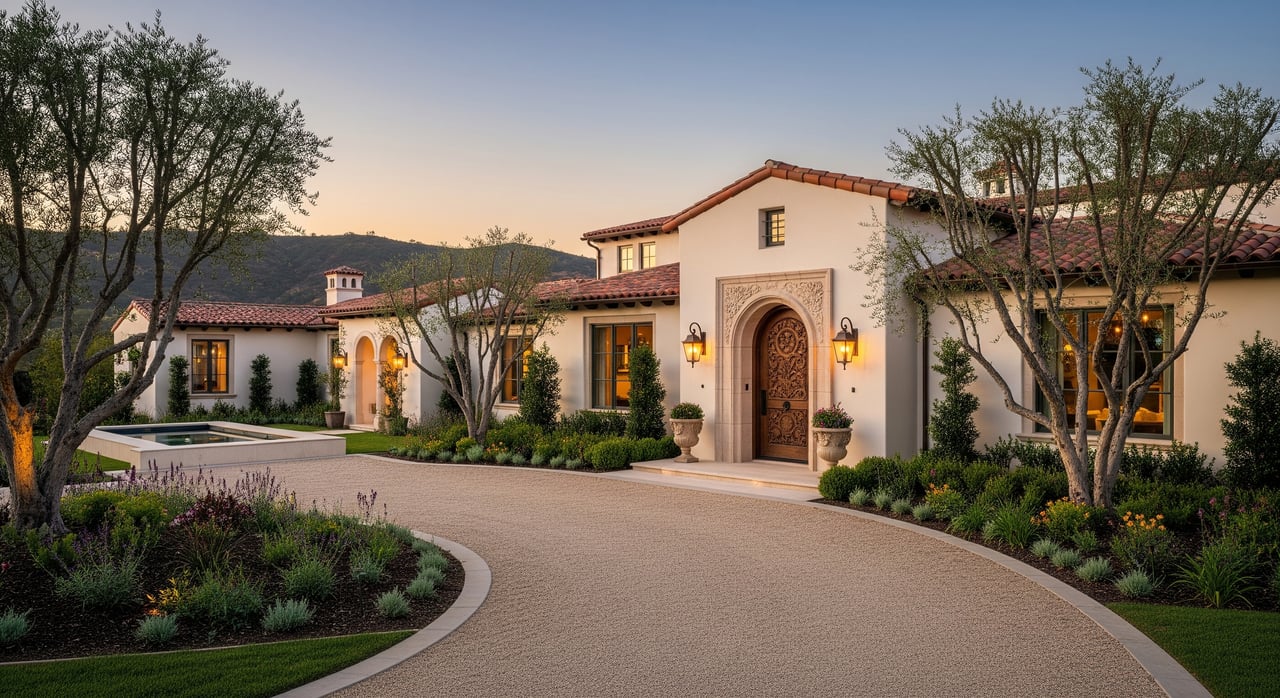
Pricing a Rancho Santa Fe estate is not like pricing a typical home. Acreage, guest quarters, equestrian facilities, and Covenant rules can shift value in ways standard price-per-foot charts miss. If you’re preparing to sell, you want a clear, data-led strategy that reflects how buyers actually compare estates in this market. In this guide, you’ll learn how RSF valuations work, which features carry the most weight, and how to set a compelling list price that protects your bottom line. Let’s dive in.
Understand the Rancho Santa Fe market
Rancho Santa Fe is a collection of distinct micro-markets. The historical Covenant area has its own governance, design review, and expectations, while nearby enclaves like Fairbanks Ranch and The Bridges offer different amenities and rules. Estate parcels often span multiple acres, and each sale can influence pricing because true comps are limited. You should expect a careful, case-by-case valuation rather than a one-size-fits-all estimate.
The Covenant’s architectural review and community standards shape what you can build or modify. These factors influence marketability and value, so it helps to confirm them early. You can review Covenant governance and design considerations through the Rancho Santa Fe Association.
What drives value in RSF estates
Acreage and usable land
Acreage is a primary driver, but not all acres are equal. Buyers place more weight on usable, irrigable, and buildable land than on steep or undevelopable areas. Clear mapping of usable acreage helps anchor value discussions.
Guest houses and ADUs
Permitted guest houses and ADUs add meaningful value, especially when they include full kitchens, baths, separate utility hookups, and independent access. If a unit is unpermitted, most buyers will apply a discount due to financing, appraisal, and compliance risk. Verification of permit status is essential before pricing.
Equestrian amenities
Horse facilities can be a significant value component for the right buyer pool. Stalls, barns, arena quality, turnouts, tack rooms, and access to trails can widen your audience and support a higher price point. Quality and permitted status matter more than simple stall counts.
Views, privacy, and setting
Buyers pay attention to sightlines, orientation, and drive approach. Properties with long private drives, mature landscaping, and unobstructed ridge or canyon views can command premiums. Documenting privacy and view corridors helps your property stand out.
Utilities and infrastructure
Sewer vs septic, municipal vs well water, electrical reliability, and broadband can influence both demand and price. For larger parcels, these details can be decisive. If your property uses septic or well, proactive reports reduce friction later.
Risk and restrictions
Wildfire exposure, flood or erosion concerns, and recorded easements or conservation restrictions can affect desirability and insurance costs. Confirming these items early helps set realistic expectations and pricing.
The valuation methods that work here
Sales comparison (primary)
For RSF estates, buyers rely most on recent, comparable sales. A well-built comparative market analysis (CMA) adjusts for acreage, permitted guest quarters, equestrian facilities, condition, views, and location within RSF. Because the sample size is often small, each comparable is analyzed in depth.
Cost approach (supporting)
Replacement cost can help when improvements are newer or highly unique. This method is most useful as a cross-check and is limited for older custom estates due to depreciation and style preferences.
Income approach (situational)
If your property includes rentable guest quarters or event-friendly infrastructure, income can inform value. For most owner-occupied estates, this serves as a secondary reference rather than a primary driver.
Reconciliation
A final value range combines the best-supported indicators from each approach, with the sales comparison receiving the most weight. The result guides a target list price and a tactical pricing plan for launch.
A step-by-step pricing process
Define your segment. Identify whether the home sits in the Covenant or a nearby enclave, confirm acreage band, and determine if it should be marketed as an equestrian property.
Gather sales and listing context. Pull 12 months of true comparables, expanding to 18–24 months only if necessary. Include actives, pendings, and expired listings to understand current expectations and price ceilings. For market stats and context, review San Diego Association of Realtors market resources.
Verify permits and legal status. Confirm permits for guest houses, ADUs, barns, and major remodels. Check septic, well, and any recorded easements or restrictions. The County’s portal is a helpful starting point for permits and zoning through San Diego County Planning & Development Services.
Adjust comparables methodically. Adjust for usable acreage, guest/ADU quality and status, equestrian infrastructure, views/privacy, age and condition, pool/spa, and location within RSF.
Consider buyer profile and timing. Gauge likely buyer segments, potential financing, and the current interest rate environment before finalizing strategy.
Set a price range and strategy. Present a recommended list price, discuss potential concessions, and outline terms that may appeal to priority buyers.
Provide sensitivity analysis. Show how value shifts with key factors, such as the presence of a permitted guest house or an additional usable acre.
Selecting comparables in a thin market
What to prioritize
- Lot size and usable acreage with similar topography.
- Primary and secondary dwellings, including ADU status and quality.
- Equestrian features: stalls, arena type, turnout, and trail access.
- Views, privacy, and setting.
- Recent condition updates and systems.
- Permit status and sale date recency.
When your estate is truly unique
Use a component approach rather than a single price-per-foot number. Break out land value, improvement value, view/privacy premiums, and equestrian infrastructure. Consider carefully vetted off-market evidence when available. When comps vary widely, present a defensible range and explain the drivers.
Documents to assemble before pricing
- Legal description, plat map, and deed.
- CC&Rs and any Covenant restrictions or approvals. Covenant references and architectural guidance are available at the Rancho Santa Fe Association.
- Survey and boundary maps.
- Building permits and final occupancy for all structures, including guest houses and barns.
- Septic and well reports or sewer connection status; recent utility bills and property tax history.
- Recent appraisals, inspections, or engineering reports.
- A detailed list of improvements with dates and contractor info.
- Site and aerial photos that document views, privacy, and layout.
- Copies of any recorded easements or conservation restrictions. County records and research typically begin with San Diego County Planning & Development Services.
Pricing strategy and market launch
Price position and buffer
Set a list price that sits within your supported value range and leaves room for negotiation without pushing past the buyer’s search thresholds. Reference competing actives to position your home as the best value for its feature set.
Sensitivity planning
Model a few scenarios, such as buyer reaction with or without a credit for a dated roof, or the presence of a fully permitted ADU. This helps you respond quickly to early feedback and offer targeted concessions if needed.
Marketing that supports your price
Premium presentation builds buyer confidence and reduces discount pressure. Expect professional photography, video walkthroughs, and polished listing copy that highlights acreage maps, guest unit details, stall counts, arena specs, and privacy features. Regional trends from the California Association of Realtors can also help frame buyer demand and timing.
Common pitfalls that hurt value
- Unpermitted structures or retrofits that limit financing and appraisals.
- Deferred maintenance on high-cost systems like roof, septic, pool, or arena footing.
- Easements or access limitations that reduce usable acreage.
- Wildfire exposure and insurance issues not addressed before launch.
- Connectivity gaps on larger parcels that modern buyers notice.
Addressing these items early improves certainty and shortens time to contract.
Your next step
If you are considering a sale within the next 3 to 12 months, start with a confidential pricing consultation. You will receive a tailored market value range, a recommended list price, a summary of the most relevant comparables, and a prioritized pre-list checklist to protect your price. To begin, share your parcel size, improvements list, any permit documents, and recent photos. Schedule your conversation with Kristi Smith.
FAQs
How is acreage valued for Rancho Santa Fe estates?
- Buyers focus on usable, buildable, and irrigable land rather than gross acreage, so valuation weighs the quality and function of each acre.
Do Covenant homes sell for more than non-Covenant homes?
- Many buyers value Covenant governance and design oversight, but any premium should be supported by recent, closely matched comparable sales.
How are guest houses or ADUs treated in valuation?
- Permitted guest homes and ADUs add meaningful value and marketability; unpermitted units usually require a discount due to compliance and financing risks.
What is the impact of equestrian facilities on price?
- Quality, permitted equestrian infrastructure and trail access can expand your buyer pool and support higher pricing for equine-focused buyers.
How long will it take to sell my RSF estate?
- Time on market varies because the segment is thin; accurate pricing, targeted marketing, and readiness on permits and reports help reduce days on market.